
When to use a five second test, and when not to
August 26, 2026
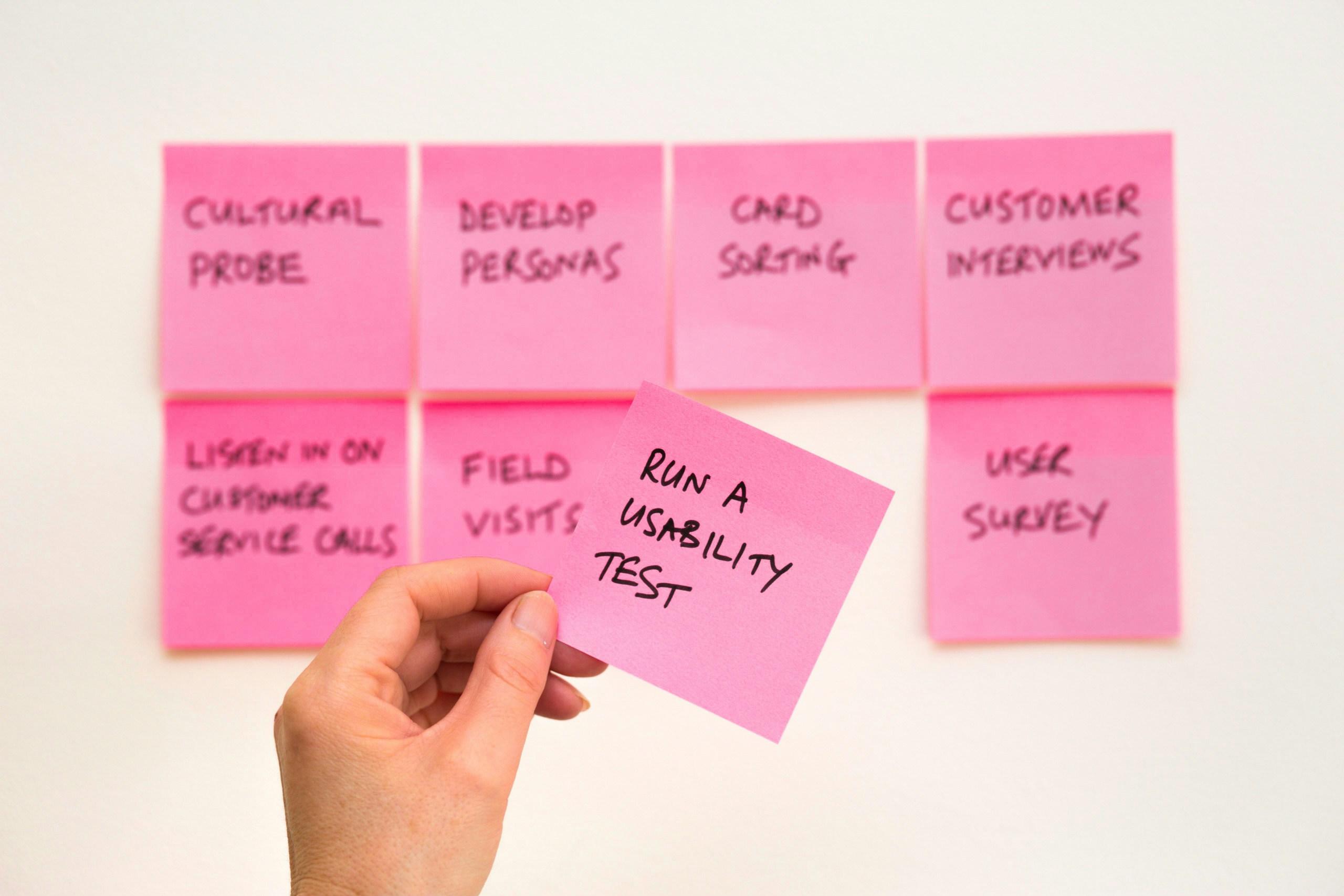
A five second test is the cheapest useful study in UX research. Show someone a design for a few seconds, take it away, then ask what they remember.
It is also the method most often applied to questions it cannot answer. Here is what it is genuinely good for.
What it actually measures
A five second test measures first impression: what registers, what is remembered, and what people conclude in the first moments of looking at something.
That is a narrow question, and it is a genuinely important one. Attention on a landing page is measured in seconds. If your value proposition does not survive five seconds of exposure, the rest of the page rarely gets a chance.
What it does not measure is usability. Nobody interacts with anything. You are testing communication, not function.
Where it works well
- Landing pages and hero sections. Does anyone understand what this product does?
- Value propositions and headlines. Which phrasing is remembered?
- Adverts and social creative. What is the takeaway?
- Visual hierarchy. What did people notice first, and was it the thing you wanted them to notice?
- Brand impression. What kind of company do people think this is?
The most common and most valuable finding is a mismatch: the team is certain the page explains the product, and not one participant can say what the product does.
Where it misleads
- Anything requiring interaction. A form, a checkout, a dashboard. Use a prototype test.
- Anything below the fold. Participants see one view. Content further down does not exist for this method.
- Dense interfaces. Showing an admin dashboard for five seconds tells you it is dense, which you already knew.
- Deciding between designs on usability grounds. Recall is not the same as usability, and the more memorable design is not always the more usable one.
- Reading comprehension. If understanding requires reading a paragraph, five seconds is not the test.
How long is five seconds
Five is the convention, not a rule. Adjust to the question.
- 3 seconds. Brand and gut impression only.
- 5 seconds. The standard. Enough for a headline, a visual and one supporting element.
- 8 to 10 seconds. A more complex page where you genuinely expect someone to scan several elements.
Longer than about ten seconds and you are no longer testing first impression, you are testing short-term memory, which is a different and less useful thing.
The follow-up questions do the real work
The image is only the stimulus. The questions afterwards are the study, and most weak five second tests have weak questions.
A reliable sequence:
- What do you think this company or product does? Open text. This is the single most valuable question, and it is unprompted, so it tests genuine comprehension.
- What do you remember seeing? Open text. Reveals visual hierarchy.
- Who do you think this is for? Open text. Catches audience mismatch.
- What would you do next? Open text. Tests whether the call to action registered.
- Rate how clear it was. Scale question, for a rough trackable number.
Ask the open questions before any multiple choice. Once you show options you have prompted the answer, and unprompted recall is the thing you came for.
Avoid asking whether they liked it. Preference in the first five seconds is mostly aesthetic reaction and it will not tell you whether the message landed.
How many participants
Aim for 15 to 30. You are looking for patterns in open text responses, and patterns need enough responses to be visible.
With fewer than about ten you cannot distinguish a real theme from one talkative participant. Beyond thirty you will mostly be reading the same three answers again.
Reading the results
Group the open text answers by meaning, not wording. If eleven of twenty people describe the product in roughly the way you intended, that is a strong pass. If the answers scatter across four unrelated interpretations, the page is not communicating.
Pay close attention to confident wrong answers. Someone who is certain your analytics product is an accounting tool has been misled by something specific, and finding that element is usually straightforward once you look for it.
Where it fits in a research plan
Use it early and often. It costs almost nothing, it runs in an afternoon, and it catches a category of problem that expensive methods often miss because interview participants have context that real visitors never get.
A common pairing: run a five second test to check the message lands, then a first-click test on the same screen to check people know where to go next. Together they cover comprehension and orientation in about a day.
Running one
UsersArabia includes five second tests with timed display and follow-up questions, plus recruitment across MENA.